Constrained Los Angeles lots demand creative expansion strategies. Basements leverage RFA exemptions for maximum habitable space. Rooftop decks and balconies add 8-10% to home value with ROI exceeding 80%. Navigate costs ($23K-$449K), permitting (2-13 months), and structural requirements for successful space expansion.
Luxury Materials: What’s Trending In High-End Custom Homes Right Now
Key Takeaways
- The Best Value Quadrant identifies optimal ROI materials: Wide-plank wood ($35-95/sq ft), architectural concrete ($30-60/sq ft), and sustainable finishes ($30-75/sq ft) deliver high visual impact without extreme costs, invest heavily in structure and glazing, strategically elsewhere.
- Sustainability has shifted from a premium feature to baseline expectation: Buyer preference data shows a steep upward trajectory for eco-friendly materials from 2020-2026; non-sustainable choices will face market resistance within 3-5 years.
- Durability directly correlates with long-term value: Architectural concrete (75+ years) and steel-glass systems (50+ years) require minimal maintenance while commanding “very high” resale impact, quality materials reduce lifecycle costs through longevity.
- Strategic investment priorities determine success: Structure and glazing systems deliver the greatest lifestyle and resale value in view-driven LA hillside homes, material honesty and thermal performance outweigh superficial finishes.
- Lead times require early coordination: Custom steel-glass systems need 12-20 weeks, exotic stone requires 8-16 weeks, and early material selection prevents delays in rigorous approval processes while ensuring access to premium options.
The Los Angeles luxury home market has entered a transformative period where material selection defines both immediate visual impact and decades-long performance. As Contemporary and Organic Modern styles claim increasing market share, homeowners and developers working with custom home builders face critical decisions about luxury building materials Los Angeles projects demand.
The shift toward sustainability, no longer a niche preference but a rapidly growing buyer priority, compounds these choices. Understanding which materials deliver the best combination of aesthetic appeal, structural performance, and resale value has become essential for creating homes that succeed both as architectural statements and financial investments.
This guide examines premium construction materials trends driving high-end design in 2026, from wide-plank woods and architectural concrete to advanced glass systems and sustainable finishes, providing data-driven insights for strategic material specification.
What Defines A High-End Custom Home?
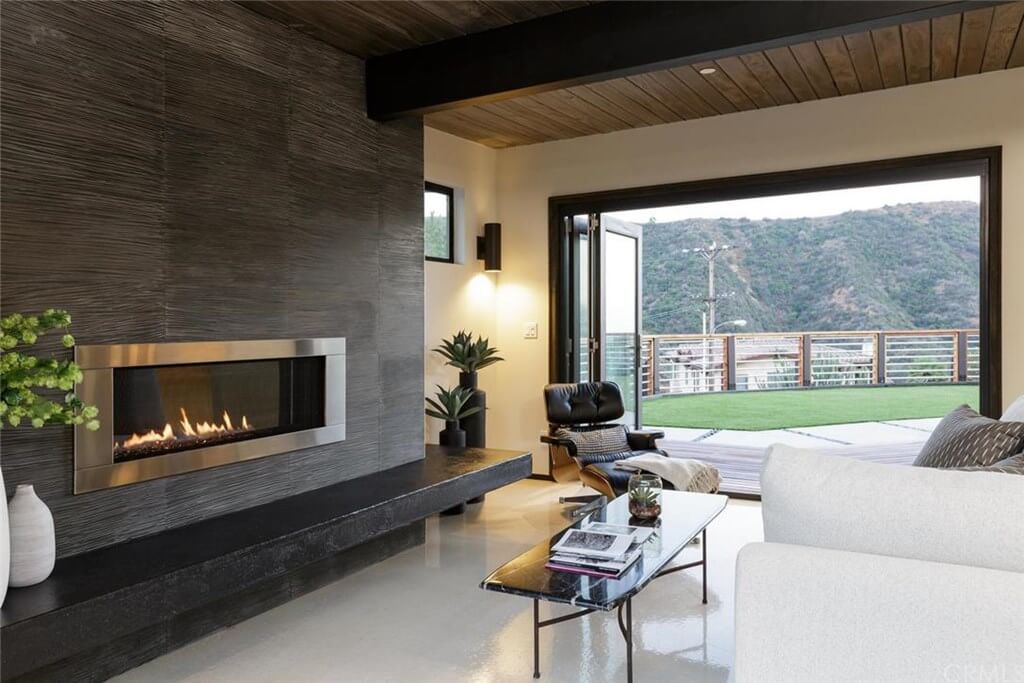
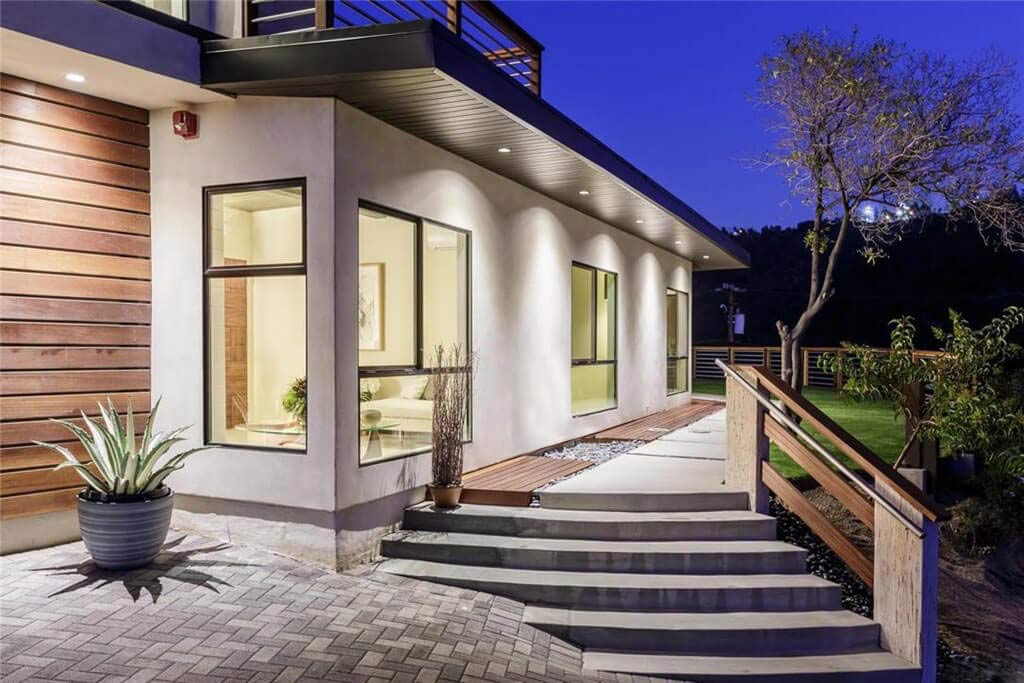
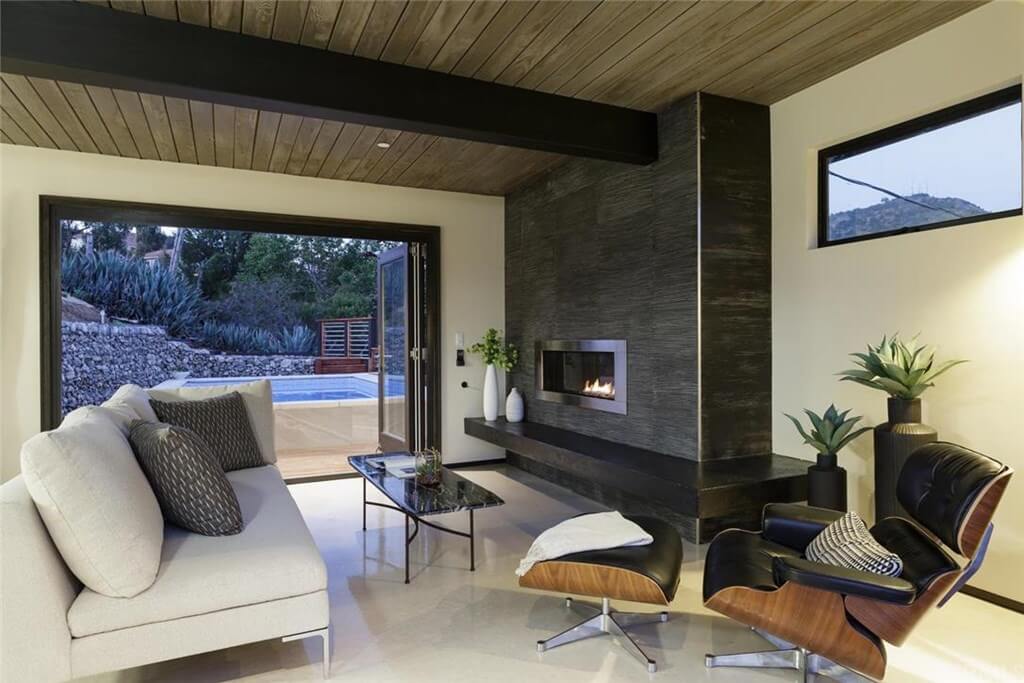
High-end custom homes are distinguished by architectural significance, site-responsive design, and premium materials used in their most natural state. Contemporary, Modern, and Organic Modern styles dominate the Los Angeles luxury market, prioritizing panoramic views, indoor-outdoor flow, and connection to nature. These homes feature advanced structural engineering, caisson foundations, steel frames, and cantilevered structures that enable dramatic forms while maintaining seismic stability.
Material honesty defines the luxury aesthetic: wood remains unfinished, concrete is exposed, and steel is celebrated for structural expression. Mediterranean-style homes retain 14.8% market share, but modernist principles drive high-end design. View-driven layouts and abundant natural light function as primary lifestyle assets, supported by high-performance building systems and sustainable features delivered by an experienced general contractor Los Angeles.
What Are The Most Popular Luxury Materials In Custom Homes Right Now?
Five material categories dominate the luxury market, each delivering distinct aesthetic and performance advantages. Natural stone applications have shifted toward full-slab installations with bold veining. Wide-plank woods now exceed 10-12 inches, creating enhanced scale. Architectural concrete has evolved from a structural necessity to a premium finish. Blackened steel provides a sharp contrast while minimal-frame glass systems enable unprecedented spans.
Table: Trending Luxury Materials in High-End Custom Homes
| Material Category | Trending Examples | Specific Applications | Aesthetic Appeal | Durability Profile |
| Natural Stone | Calacatta Marble, Travertine, Limestone | Full-slab walls in bathrooms/kitchens, flooring | Bold veining as natural art; dramatic full-slab impact | High; requires periodic sealing |
| Wide-Plank Woods | European Oak, American Walnut, Teak | Flooring, ceilings, wall cladding | 10-12″+ planks create scale; natural grain adds warmth | Good; requires periodic refinishing |
| Architectural Concrete | Board-Formed, Polished | Flooring, sculptural walls, structural elements | Minimalist aesthetic; board texture; thermal mass | Very high; low maintenance |
| Steel & Glass Systems | Blackened Steel, Minimal-Frame Glass | Window frames, staircases, cabinetry, retractable walls | Sharp contrast; larger glass spans; weightless appearance | Very high; low maintenance |
| Sustainable Finishes | Reclaimed Wood, Recycled Glass Terrazzo, Non-Toxic Finishes | Accent walls, flooring, countertops | Rich patina; environmentally responsible luxury | Varies; generally good |
Sustainable luxury finishes show rapidly growing demand, combining environmental responsibility with high end custom home finishes LA buyers expect. Reclaimed materials deliver a unique character impossible to replicate through new production.
How Are Technology And Innovation Shaping Luxury Material Choices In Custom Homes?
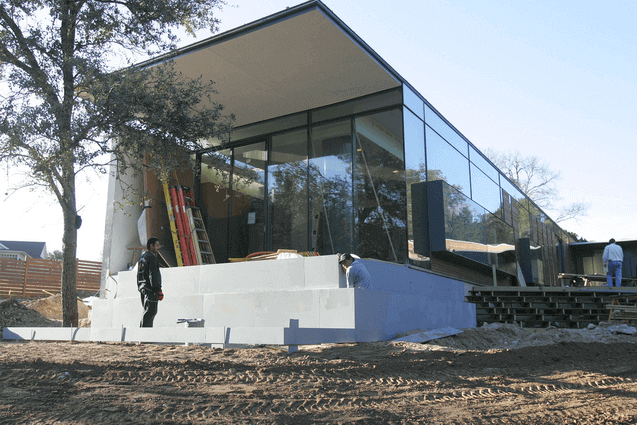
Advanced glazing and structural systems have transformed material possibilities. Minimal-frame sliding glass walls now disappear entirely into walls, enabling seamless indoor-outdoor transitions essential to California Modernism. High-performance multi-pane glass with specialized coatings manages solar heat gain, making floor-to-ceiling glazing viable without excessive climate control costs.
Structural innovation drives material performance. High-strength steel frames and cantilevered foundations create gravity-defying forms that maximize views while maintaining seismic stability. Deep caisson systems support expansive glass installations on challenging hillside terrain through comprehensive construction services.
Technology-Driven Material Innovations:
- Minimal-Frame Sliding Glass Wall Systems: Ultra-minimal framing makes walls disappear; enables retractable doors that pocket into walls
- High-Performance Multi-Pane Glass: Specialized coatings manage solar heat gain and UV exposure; critical for view-maximizing designs
- Automated Climate Control Integration: Smart shading systems and automated glass for privacy and light control
- Advanced Structural Engineering: Steel frames and cantilevered foundations support dramatic forms with seismic stability
Energy-Efficient Material Technologies
| Technology/Material | Energy Benefit | Common Application | Performance Impact |
| Solar Array Integration | Net-zero energy potential | Flat rooftops on modern homes | Significant long-term energy cost reduction |
| Thermal Mass Materials | Natural temperature regulation | Architectural concrete walls, stone features | Passive interior temperature regulation |
| Cross-Ventilation Design | Reduces HVAC dependence | Strategic window placement, operable glass | Natural cooling year-round |
| High-Performance Glazing | Reduces heat gain/loss | Floor-to-ceiling windows, glass walls | 30-40% climate control efficiency improvement |
| Green Roofs & Living Walls | Insulation and cooling | Organic Modern homes | Natural temperature regulation, improved air quality |
Why Is Sustainability A Key Factor In Today’s Luxury Home Material Choices?
Buyer preference data shows sustainability as a rapidly growing priority in high-end Los Angeles homes, with a clear upward trajectory from 2020-2026. Natural light and indoor-outdoor living maintain stable, high demand, while traditional elegance preferences decline. Smart home features show moderate growth, but sustainability features demonstrate the steepest increase.
Market dynamics favor materials that combine luxury aesthetics with environmental responsibility. Reclaimed wood with unique patina, recycled glass terrazzo, and non-toxic finishes deliver both high-end appeal and reduced environmental impact. Site-specific native planting aligns with regulatory preferences while reducing water consumption.
Sustainable Luxury Materials Comparison
| Material | Environmental Impact | Sustainability Features | Cost-Effectiveness | Luxury Application |
| Reclaimed Wood | Very Low (repurposed) | Reduces deforestation; unique patina adds character | $30-75/sq ft | Accent walls, ceilings, flooring |
| Recycled Glass Terrazzo | Low (diverts waste) | Uses post-consumer glass; durable with long lifespan | $30-75/sq ft | Countertops, flooring, decorative surfaces |
| Native Drought-Tolerant Plants | Very Low | Minimal water requirements; supports local ecosystem | Low to moderate | Landscape integration, living walls |
| Non-Toxic High-Performance Finishes | Low | Zero/low VOC emissions; healthier indoor air quality | Varies | Interior finishes, sealants |
| Board-Formed Architectural Concrete | Moderate | Long lifespan; thermal mass reduces energy use | $30-60/sq ft | Walls, floors, structural elements |
Recycled & Upcycled Materials in Luxury Homes:
- Reclaimed Wood with Rich Patina: Ceiling beams, accent walls, custom cabinetry; unique character impossible to replicate; diverts landfill waste
- Recycled Glass Terrazzo: Kitchen countertops, bathroom vanities, flooring; customizable colors; uses post-consumer glass waste
- Upcycled Metal Accents: Stair railings, light fixtures, custom hardware; industrial aesthetic with unique patina; reduces mining demand
- High-Performance Non-Toxic Finishes: Wall treatments, wood sealers, concrete finishes; a healthier indoor environment with no off-gassing
Green roofs and living walls integrate into Organic Modern design approaches, providing natural temperature regulation while meeting site-responsive design standards favored by Los Angeles hillside regulations.
What Are The Key Benefits Of Using Luxury Materials In Custom Homes?
Luxury materials deliver measurable returns across resale value, durability, and operational costs. Natural stone and steel-glass systems command “very high” resale impact, while architectural concrete and wide-plank wood achieve “high” ratings. Sustainable finishes show increasing value as buyer preferences shift toward environmental responsibility.
Performance benefits extend beyond aesthetics. Thermal mass materials, concrete and stone, naturally regulate interior temperatures, reducing HVAC demands. Fire-resistant properties prove critical for hillside locations. High-performance glazing cuts energy costs 30-40% while maximizing view access. Strategic material selection prioritizes visual impact and longevity: “In the LA hills, your primary assets are the view and the light. Do not compromise on the engineering and foundation systems. These are the investments that deliver the greatest lifestyle and resale value.”
Primary Benefits of Luxury Materials:
- Increased Resale Value: Natural stone and steel-glass systems deliver “very high” impact; architectural concrete achieves “high” impact for modern styles; sustainable finishes show “increasing” value trajectory
- Enhanced Aesthetic Appeal: Material honesty celebrates natural states; bold stone veining functions as natural art; wide-plank wood creates scale; concrete offers minimalist sculptural qualities
- Exceptional Durability: Architectural concrete and steel-glass systems achieve “very high” durability; natural stone rates “high”; fire-resistant properties are critical for hillside areas
- Long-Term Cost Savings: Low maintenance requirements; thermal mass regulates temperatures naturally; durability eliminates replacement costs; high-performance glazing reduces energy consumption 30-40%
Durability and Maintenance Requirements
| Material | Expected Lifespan | Maintenance Frequency | Maintenance Type | Long-Term Cost |
| Natural Stone (Marble, Travertine) | 50+ years | Annual sealing | Sealing, professional cleaning | Moderate (sealing costs) |
| Wide-Plank Wood (Oak, Walnut) | 30-50 years | Every 7-10 years | Refinishing, periodic sealing | Moderate (refinishing) |
| Architectural Concrete | 75+ years | Minimal | Occasional sealing (polished), power washing | Very Low |
| Steel & Glass Systems | 50+ years | Minimal | Routine cleaning | Very Low |
| Sustainable Finishes (Reclaimed Wood) | 30+ years | Varies by material | Depends on finish type | Low to Moderate |
What Are The Challenges In Using Luxury Materials In Custom Homes?
Budget management requires strategic prioritization. Cost-impact analysis identifies a “Best Value Quadrant” where materials deliver high visual impact without extreme expense: wide-plank wood ($35-95/sq ft), architectural concrete ($30-60/sq ft), and sustainable finishes ($30-75/sq ft). Steel-glass systems ($120-300+/sq ft) and exotic natural stone ($45-150+/sq ft) command premium pricing but deliver maximum resale returns.
Smart allocation focuses investment on structure and glazing systems, the foundation of view-driven design. Key principle: “Focus on a few high-impact materials used generously, rather than a multitude of competing finishes.” Lead times present additional challenges: custom steel-glass systems require 12-20 weeks, exotic stone needs 8-16 weeks, and premium wood demands 6-12 weeks. Effective material sourcing luxury home LA projects and early coordination with architects prevent delays in rigorous approval processes.
Table: Cost Comparison of Luxury Materials
| Material Category | Avg. Cost/Sq. Ft. | Initial Investment | Maintenance Costs (Annual) | Long-Term Value | Value Positioning |
| Natural Stone | $45 – $150+ | Very High | Moderate ($200-500) | Very High resale | High Impact, High Cost |
| Wide-Plank Wood | $35 – $95 | High | Moderate ($150-400) | High resale | Best Value Quadrant |
| Architectural Concrete | $30 – $60 | Moderate to High | Very Low ($50-150) | High resale (modern) | Best Value Quadrant |
| Steel & Glass Systems | $120 – $300+ | Very High | Very Low ($100-300) | Very High resale | High Impact, High Cost |
| Sustainable Finishes | $30 – $75 | Moderate | Low to Moderate ($100-300) | Increasing value | Best Value Quadrant |
Common Maintenance Challenges & Solutions:
- Natural Stone: Susceptible to etching and staining; requires annual professional sealing ($200-500); immediate spill cleanup essential; use pH-neutral cleaners; moderate long-term cost
- Wide-Plank Wood: Can warp in moisture; shows wear in traffic zones; maintain 40-60% humidity; use area rugs; refinish every 7-10 years ($3-5/sq ft); moderate long-term cost
- Architectural Concrete: Minor surface cracks possible; annual sealing for polished finishes ($50-150); regular sweeping; very low long-term cost
- Steel & Glass Systems: Glass requires frequent cleaning; steel shows fingerprints; professional window cleaning 2-4x/year ($100-300); low long-term cost
- Sustainable Finishes: Variable condition in reclaimed materials; proper sealing upon installation; periodic pest inspection; low to moderate long-term cost
What Does The Future Hold For Luxury Materials In Custom Homes?
Material innovation tracks toward performance integration and sustainability mandates. Minimal-frame glass technology advances toward thinner profiles with improved thermal performance and integrated smart capabilities. Biophilic design, living walls, green roofs, natural ventilation, transitions from premium feature to standard luxury specification, as Organic Modern styles demonstrate significant growth.
Sustainability preferences showa steep upward trajectory from 2020-2026, signaling a fundamental market shift. Within 3-5 years, eco-friendly materials will define baseline luxury expectations rather than premium options. Net-zero energy homes will shift from exceptional to standard, driving material selection based on thermal performance metrics alongside aesthetics. Carbon footprint transparency and life-cycle analysis will influence specification decisions within 5-7 years as material sourcing for luxury home LA projects evolves.
Current Trends Shaping Future Development:
- Advancing Minimal-Frame Glass Technology: Ever-larger uninterrupted spans; thinner profiles; improved thermal performance; integrated smart glass capabilities; enables more dramatic view-maximizing designs
- Biophilic Design Integration: Organic Modern growth drives living walls, green roofs, and natural ventilation as standard features; materials supporting plant integration gain prominence
- High-Performance Sustainable Materials: A significantly growing demand drives the development of carbon-negative materials, bio-based composites, and advanced recycled content products; sustainability is shifting to baseline expectation
- Advanced Concrete Technologies: Self-healing concrete, ultra-high-performance concrete (UHPC), translucent concrete applications expand design possibilities while maintaining durability
Sustainability Predictions Based on Market Data:
- Eco-Friendly Materials as Standard: Steep upward trajectory continues; non-sustainable materials face market resistance; green certifications add value; mainstream expectation within 3-5 years
- Energy-Efficient Design as Baseline: Net-zero energy homes (solar arrays, thermal mass systems) shift from exceptional to expected; materials selected for thermal performance; standard within 5 years
- Carbon Footprint Transparency: Materials evaluated and marketed on embodied carbon data; life-cycle analysis influences high-end selection; full integration within 5-7 years
- Local and Regional Materials: Site-specific, locally-sourced materials align with site-responsive design philosophy; reduce transportation emissions; strengthen place-connection; and intensify with climate awareness
Contemporary and Organic Modern styles demonstrate significant growth from 2020 to 2026, confirming continued movement toward sustainability-forward design approaches. Materials that integrate performance, environmental responsibility, and aesthetic impact will define the next generation of luxury custom homes.
The Evolving Landscape Of Luxury Materials In Custom Homes
Choosing the right materials in custom homes balances aesthetics with durability, maintenance, and budget. Research shows that fewer, high-impact materials—such as wide-plank wood, architectural concrete, and sustainable finishes—offer the best value. Combining these with high-investment elements like structure and glazing systems ensures performance where it matters most.
Sustainability has become a market mandate, with growing demand for eco-friendly materials that also increase resale value. Materials like concrete and steel-glass systems, known for their durability, require minimal maintenance and deliver long-term value.
The convergence of technology and materials allows for innovative design solutions, blending aesthetic goals with energy efficiency, seismic stability, and thermal performance. The future of luxury materials will be defined by high design, sustainability, and smart investment, ensuring homes are both visually striking and built to last.
Ready to bring your luxury custom home vision to life with strategic material selection? Contact our team to discuss how we can help you create an architecturally significant, high-performance home that maximizes both aesthetic impact and long-term value.
Related Posts